
Solar Rooftop Installations Double Year-on-Year Amid Net Metering Revamp
Net metering policy changes took effect in January 2025, and early data shows a sharp uptick in residential solar uptake across Luzon, Visayas, and Mindanao.
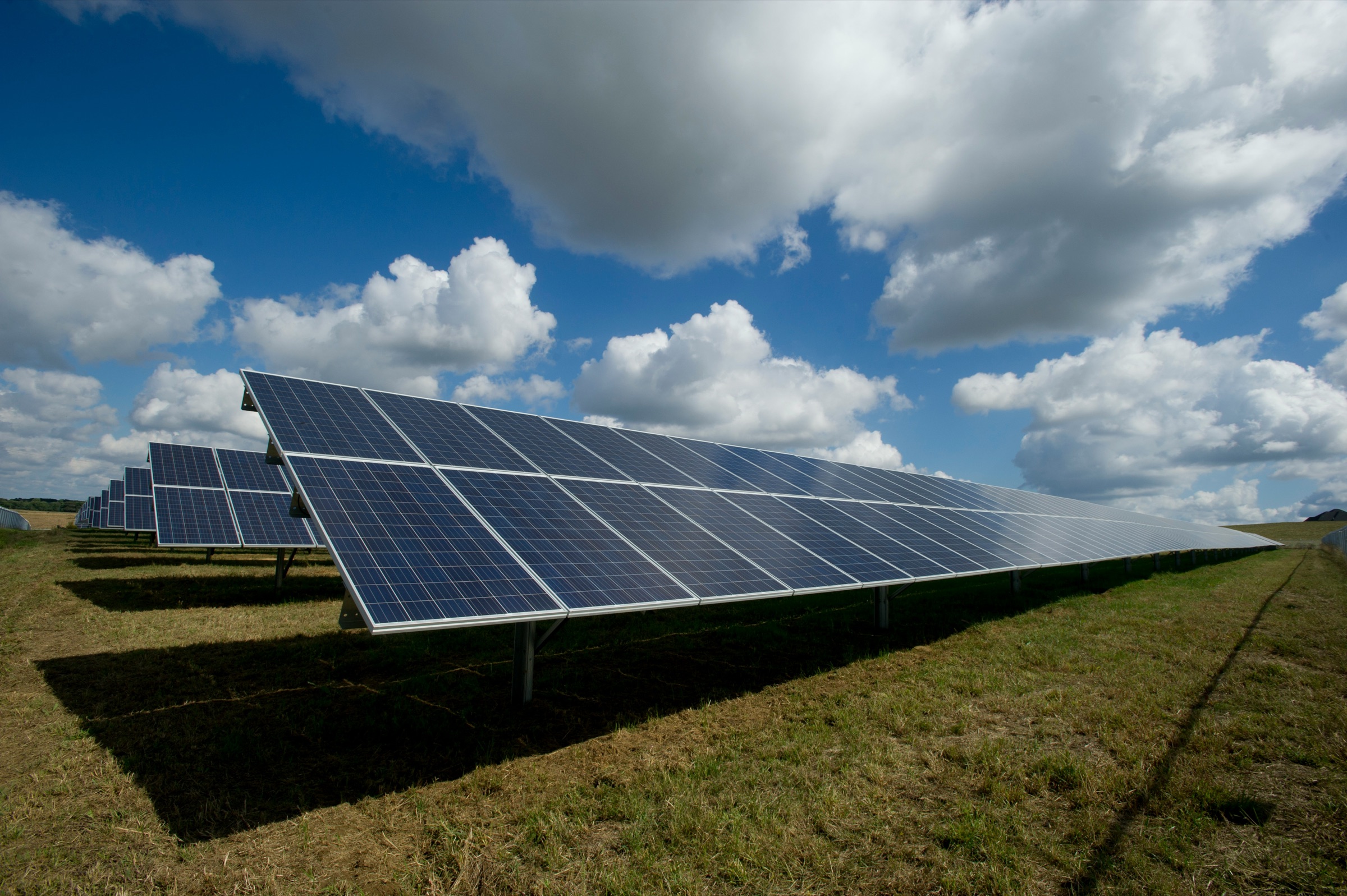
Solar Rooftop Installations Double Year-on-Year Amid Net Metering Revamp — CERP Photo
Residential and commercial solar rooftop installations jumped sharply in the first two months of 2025, with the number of net metering applications to distribution utilities roughly doubling compared to the same period in 2024. The acceleration follows changes to the net metering framework that took effect on January 1, raising the eligible system size from 100 kW to 1 MW and simplifying the interconnection approval process.
The revised rules reflect years of advocacy by solar industry associations and consumer groups who argued that the previous 100 kW cap excluded commercial buildings, schools, hospitals, and medium-sized industrial facilities from the rooftop solar market.
Distribution utilities have expressed mixed views on the changes. Some have welcomed the shift, noting that rooftop solar reduces distribution system load during peak afternoon hours. Others have raised concerns about the compensation rate for excess generation exported to the grid, arguing that the current blended rate methodology does not adequately account for the distribution utility's fixed cost recovery.
CERP's assessment is that the net metering revision is a net positive for consumers and the clean energy transition, and that distribution utility concerns about cost recovery are legitimate but addressable through the ERC's existing tariff review mechanisms rather than by constraining rooftop solar access.
CERP Insights
Want to explore more insights?
Browse all our independent, evidence-based studies on energy policy, climate, and the future of power in the Philippines.