
Philippine Electricity Rates Hit Five-Year High as Coal Prices Surge
Residential electricity tariffs in Metro Manila climbed to P12.40/kWh in March 2025, the highest level in five years, as global coal prices remain elevated and generation costs pass through to consumers.
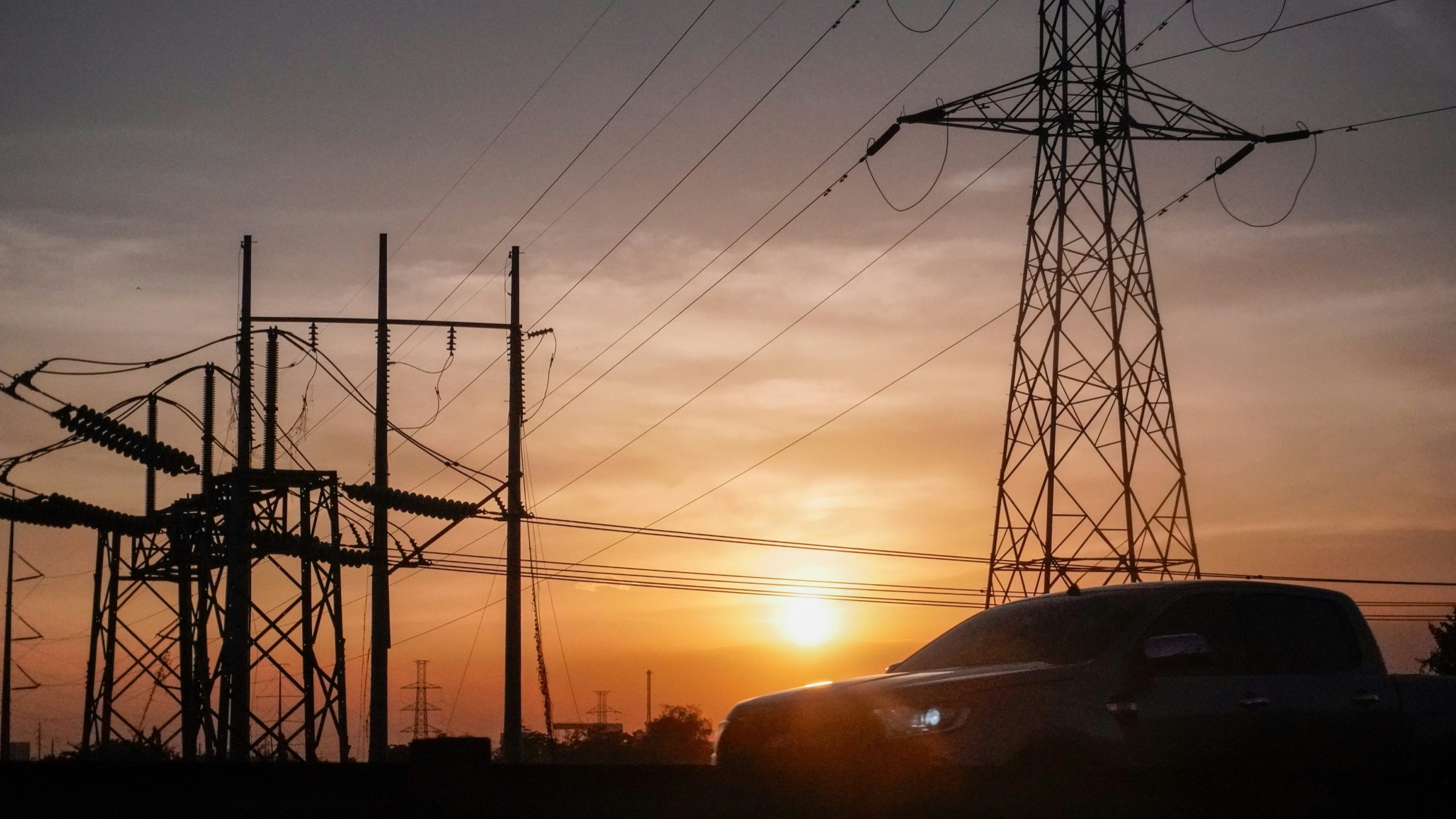
Philippine Electricity Rates Hit Five-Year High as Coal Prices Surge — CERP Photo
Metro Manila residents received their highest electricity bills in five years in March 2025, with the average residential tariff reaching P12.40 per kilowatt-hour — up from P11.05 in the same month last year. The primary driver is the generation charge component, which accounts for roughly 60% of the total bill and has risen sharply in tandem with global coal and LNG prices.
The mechanics of the pass-through are embedded in the power supply agreements that Manila Electric Company and other distribution utilities hold with independent power producers. Under most of these contracts, fuel cost variations are automatically reflected in the generation charge, with a one-month lag. When international coal prices rise, Philippine consumers feel the impact within weeks.
The Energy Regulatory Commission has not intervened to cap generation charges, consistent with its longstanding policy of allowing competitive market prices to pass through to consumers. Consumer groups have called for a review of this policy, arguing that the automatic pass-through mechanism insulates power producers from commodity price risk at the expense of households with fixed incomes.
CERP notes that the rate spike underscores the structural vulnerability of a generation mix dominated by fossil fuels. A grid with a higher share of solar, wind, and storage — all of which have near-zero fuel costs once installed — would be largely insulated from global commodity price movements. The March 2025 tariff spike is a concrete illustration of why the energy transition is ultimately in consumers' economic interest.
CERP Insights
Want to explore more insights?
Browse all our independent, evidence-based studies on energy policy, climate, and the future of power in the Philippines.