
What the Green Energy Auction Results Mean for 2026 Power Supply
Results from the fifth Green Energy Auction round show 1.2 GW of new capacity awarded, with solar dominating bids. CERP breaks down what this means for supply adequacy.
What the Green Energy Auction Results Mean for 2026 Power Supply — CERP Photo
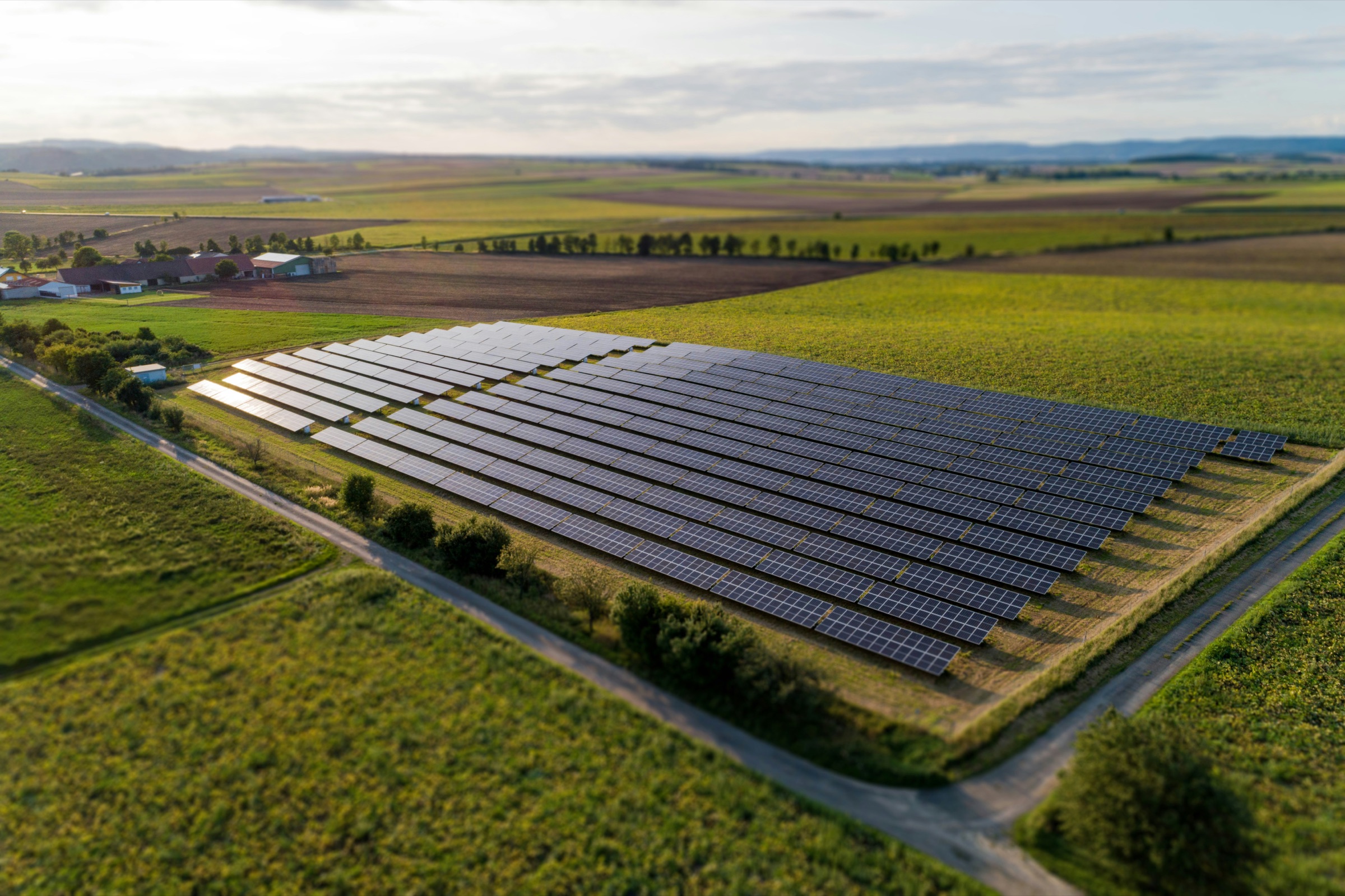
The Department of Energy released results from the fifth Green Energy Auction round in January 2025, awarding 1.2 GW of new renewable capacity across 14 projects. Solar projects captured approximately 900 MW of the awarded capacity, with wind accounting for 200 MW and run-of-river hydro making up the balance. All-in tariffs for the awarded solar projects ranged from P4.18 to P4.65 per kWh — significantly below the current average generation charge.
The auction results are encouraging from a cost and clean energy perspective, but their impact on 2026 power supply adequacy is limited by construction timelines. Most utility-scale solar projects require 18 to 24 months from contract award to commercial operation, meaning the earliest projects will begin delivering power in mid-to-late 2026 at the optimistic end.
Transmission readiness is a parallel concern. Several of the awarded projects are located in areas where grid connection infrastructure is not yet in place. Developers have flagged risks of further delays if NGCP's transmission upgrade program does not proceed on schedule.
The supply adequacy assessment for 2026 thus remains contingent on factors outside the DOE's direct control: NGCP transmission progress, local government permitting timelines, and the pace of equipment procurement in a global supply chain still recovering from pandemic-era disruptions. The Green Energy Auction is a necessary mechanism; it is not by itself a sufficient guarantee of supply.
CERP Insights
Want to explore more insights?
Browse all our independent, evidence-based studies on energy policy, climate, and the future of power in the Philippines.